How to Use Business Process Simulation?

How to Use Business Process Simulation?

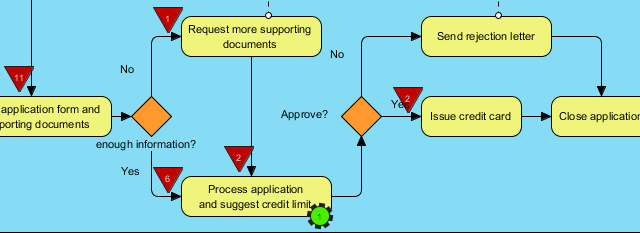
Relatively speaking, while it may take "little" money to design a business process, it takes a whole lot more for implementation. So it is immensely important that we think twice to make sure that it is worthwhile to do so beforehand. This is where computer simulation comes in to help via load and performance testing. They give us some ideas as to how the system or process would behave under the scenarios we defined, quantitatively, in terms of cost and time investment. In this tutorial, we will show you how to set parameter…continue reading →
How to Import Bizagi Project into Visual Paradigm?

How to Import Bizagi Project into Visual Paradigm?

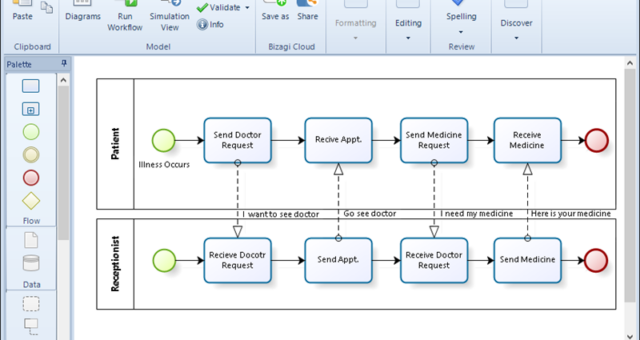
If you're looking to transfer your business process models from Bizagi to Visual Paradigm, you're in the right place. Visual Paradigm provides a simple solution to import Bizagi's .bpm files directly into its business process diagrams. In this tutorial, we'll guide you through the process of migrating your work from Bizagi to Visual Paradigm step by step, so you can continue working on your process models with ease. Whether you're switching BPM software or simply looking to collaborate with others who use Visual Paradigm, this tutorial will help you make the transition smoothly. (more…)
How to Use Secondary Pools for BPMN Task?

How to Use Secondary Pools for BPMN Task?

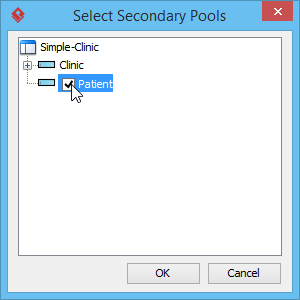
Have you ever encountered a scenario where a task needs to be completed by more than one role? In Business Process Diagrams (BPDs), this can be achieved by assigning secondary pools to the task. While this is not a common practice, it can be useful in certain situations. In this tutorial, we'll show you how to assign secondary pools to a task in BPD using Visual Paradigm, a powerful modeling tool that makes it easy to create and manage complex business process models. (more…)
How to Expand a BPMN Sub-Process?

How to Expand a BPMN Sub-Process?

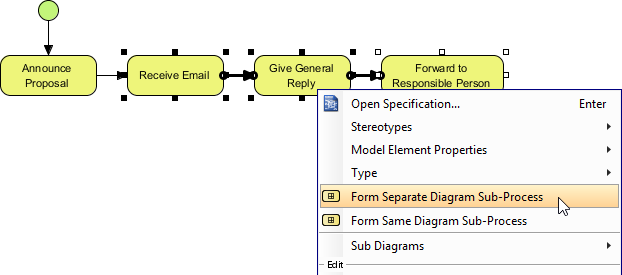
Have you heard about sub-processes in BPMN? They are a great way to break down complex business processes into smaller, more manageable parts that can be further detailed, analyzed, and optimized. In this tutorial, we'll explore some of the key actions you can perform on a sub-process. (more…)
How to Use Stereotypes in EPC Diagram?

How to Use Stereotypes in EPC Diagram?

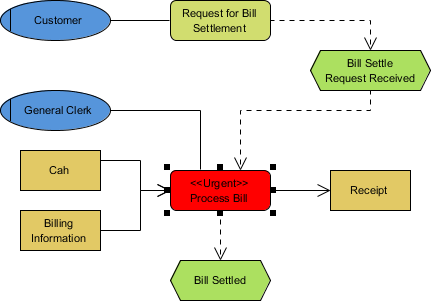
Enterprise Process Diagrams (EPC) is a widely used modeling language to represent business workflows. However, to accurately convey the complexities of a system, EPC diagrams require additional information that goes beyond the basic modeling language. Enter stereotypes - a powerful tool that can enhance your EPC diagrams. In this tutorial, we will guide you through the concept of stereotypes and show you how to use them in your EPC diagrams using Visual Paradigm. What is a stereotype? Why use stereotypes? Imagine you're describing a can of cookies. You might use different words or…continue reading →
How to Create BPMN Diagram?

How to Create BPMN Diagram?

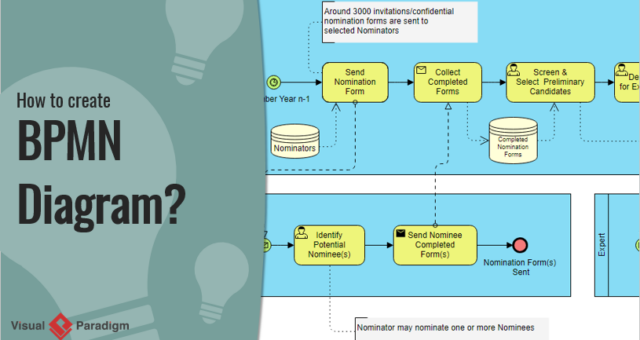
A Business Process Model and Notation (BPMN) diagram is a graphical representation of a business process or workflow. BPMN diagrams are widely used in the business process management field to help organizations streamline their operations and improve efficiency. In this tutorial, you will learn what BPMN is, what the common BPMN symbols are, and finally, you'll learn how to create a BPMN diagram step-by-step using Visual Paradigm. So, let's get started! (more…)
TOGAF ADM Software: ADM Step-by-Step Tutorial

TOGAF ADM Software: ADM Step-by-Step Tutorial

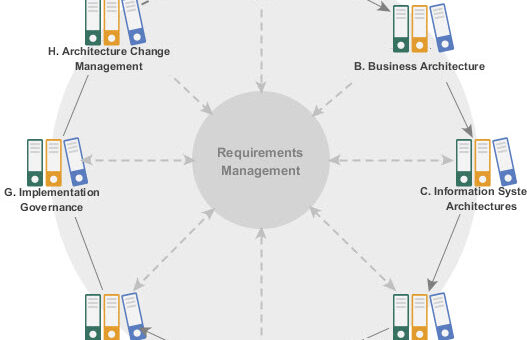
Enterprise Architecture is essential to every business, but it's not always easy to master. However, don't let that discourage you. With Visual Paradigm's help, you can learn Enterprise Architecture on your own. Be a TOGAF pro, simply go through this tutorial, and witness how the best TOGAF software can make executing TOGAF activities and producing TOGAF deliverables a breeze. (more…)
How to Define the Goals of a Scrum Project?

How to Define the Goals of a Scrum Project?

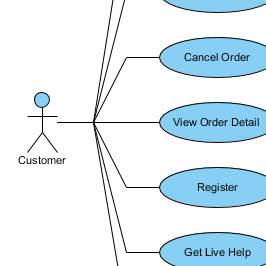
Developing a software system requires a thorough understanding of the goals to be achieved. This provides the development team with a clear direction, ensuring that the final product delivers maximum value to its users. In this tutorial, we'll explore how you can make use of use case diagrams to capture these goals. While our tutorial is primarily intended for Scrum Process Canvas users, the concept is generally applicable to any Scrum project. (more…)