How to Generate Complex Class Diagrams Using Visual Paradigm’s AI UML Generator

Class diagrams are the backbone of object-oriented design, but creating complex ones manually—complete with inheritance hierarchies, associations, multiplicities, attributes, operations, interfaces, and packages—can take hours of tedious work. Visual Paradigm's AI UML generator makes this fast and accurate: describe your domain or system structure in natural language, and it produces a detailed, well-organized class diagram instantly. This tutorial focuses on intermediate-to-advanced users who need robust class diagrams (e.g., for enterprise applications, domain-driven design, or legacy system refactoring). We'll build a complex example step-by-step: an **online bookstore system** with products, orders, users, payments, inventory,…continue reading →
Step-by-Step Tutorial: Creating Your First UML Diagram with Visual Paradigm’s AI UML Generator

If you're new to UML or just tired of wrestling with complex diagramming software, Visual Paradigm's AI UML generator makes it incredibly simple: describe what you need in plain English, and it builds a professional diagram for you in seconds. No need to learn toolbar icons, drag elements, or fix layouts manually—this tutorial walks you through your very first diagram from start to finish. By the end, you'll have created a complete, editable UML diagram and understand how to use Visual Paradigm's powerful AI features to speed up your modeling work. Let's get…continue reading →
BPMN Process Simulation Example

BPMN Process Simulation Example

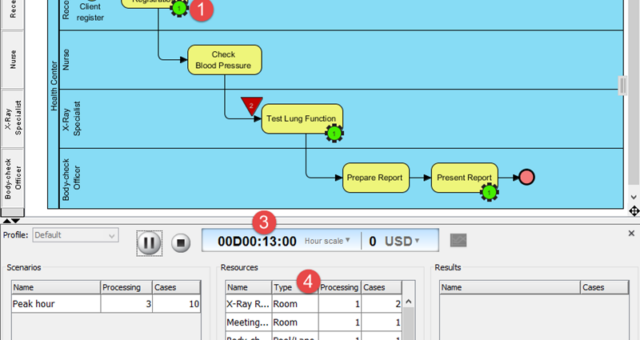
Simulation is a powerful technique that enables business analysts to replicate the execution of a business process and study the resource consumption, such as human resources and devices, throughout the process. By identifying bottlenecks and areas for improvement, simulation can help refine the current business process and reallocate resources for better efficiency. The simulation tool provides visual simulation capabilities as well as functions to generate charts and reports. In this tutorial, we will explore the business process of performing a body check and utilize the simulation tool to identify potential changes that can…continue reading →
How to Draw BPMN Conversation Diagram?

How to Draw BPMN Conversation Diagram?

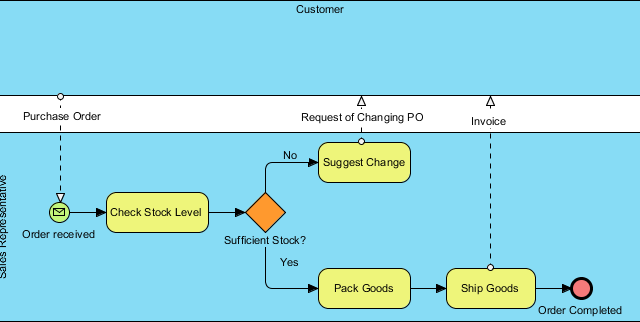
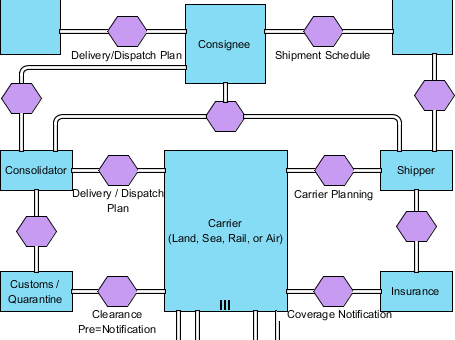
In this tutorial, we will guide you through the process of creating a simple conversation diagram for a logistics system. The conversation diagram visually represents the messages exchanged between different participants, also known as pools. By following this tutorial, you will learn how to create a clear and concise conversation diagram to represent the communication flow in your logistics system. (more…)
BPMN Tutorial with Example – The Leave Application Process

BPMN Tutorial with Example – The Leave Application Process

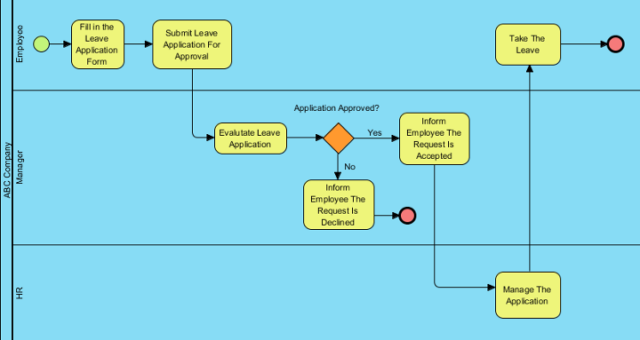
BPMN (Business Process Model and Notation) is a visual representation that enables companies to better understand their internal business procedures. It utilizes different symbols to represent the activities involved in a business process. With Visual Paradigm's BPMN tools, you can easily draw a Business Process Diagram (BPD). In this tutorial, we will use the leave application process as an example to demonstrate how a Business Process diagram can effectively showcase the process. (more…)
How to Develop As-Is and To-Be Business Process?

How to Develop As-Is and To-Be Business Process?

Developing and populating As-Is and To-Be BPMN diagrams is an effective technique for turning a vision into results. The As-Is diagram offers a detailed overview of the current state of the organization's process, culture, and capabilities. The To-Be diagram, on the other hand, provides an overview of the future state, outlining how the organization's process, culture, and capabilities will appear in the future. By creating these diagrams, organizations can analyze and identify gaps between the current and desired states and initiate business process reengineering or improvement initiatives to close these gaps. What is…continue reading →
Observer Pattern Tutorial

Observer Pattern Tutorial

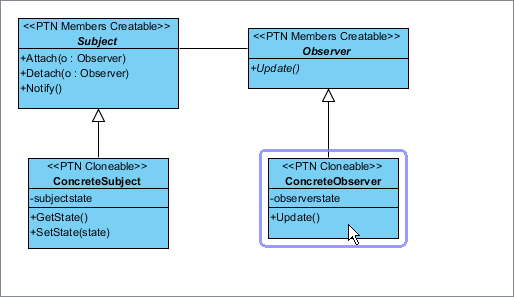
In this tutorial, we will explore the powerful Gang of Four (GoF) observer design pattern. By the end of this guide, you will have a solid understanding of how to define and apply the observer pattern in your software projects. We will walk you through creating a UML class diagram for the observer pattern and show you how to save it as a design pattern file that can be easily reused in the future. Whether you are new to design patterns or an experienced software developer, this tutorial will provide you with the tools you need to implement the observer pattern in your projects. (more…)
Iterator Pattern Tutorial

Iterator Pattern Tutorial

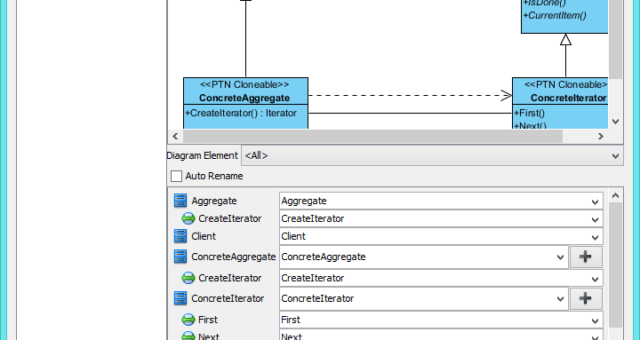
In this tutorial, we will explore the Gang of Four (GoF) iterator design pattern. By the end of this guide, you will have a solid understanding of how to define and apply the iterator pattern in your software projects. We will walk you through creating a UML class diagram for the iterator pattern and show you how to save it as a design pattern file that can be easily reused in the future. Whether you are a novice programmer or an experienced software engineer, this tutorial will help you master the iterator pattern and apply it effectively in your code. (more…)
Interpreter Pattern Tutorial

Interpreter Pattern Tutorial

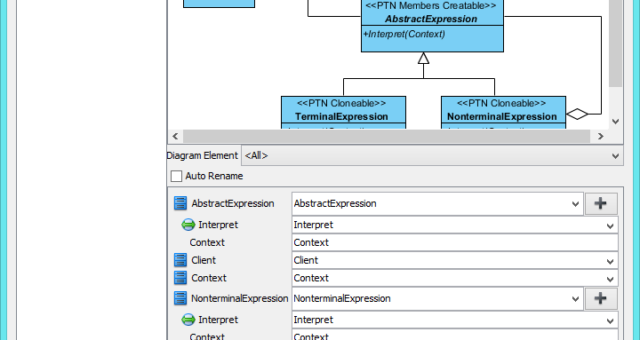
Welcome to this tutorial on the Gang of Four (GoF) interpreter design pattern. Throughout this guide, we will help you understand the definition and application of the interpreter pattern in your software projects. By following our step-by-step instructions, you will learn how to create a UML class diagram for the interpreter pattern and save it as a design pattern file that can be reused in the future. Whether you are an experienced developer or just starting, this tutorial will provide you with valuable insights into how the interpreter pattern can be used to improve your code. (more…)
Chain of Responsibility Pattern Tutorial

Chain of Responsibility Pattern Tutorial

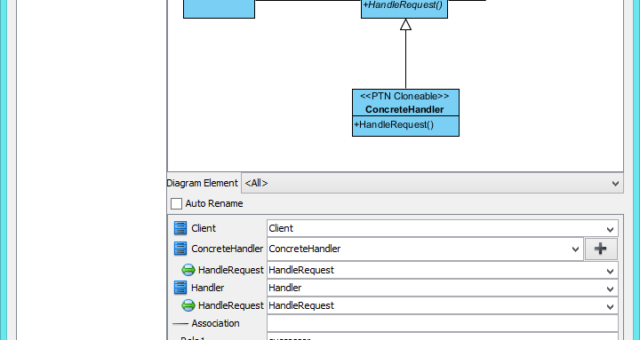
If you are interested in software design patterns, then you won't want to miss this tutorial on the Gang of Four (GoF) chain of responsibility design pattern. Throughout this guide, we will show you how to define and apply the chain of responsibility pattern in your software projects. You will learn how to create a UML class diagram for the pattern and save it as a design pattern file that can be reused in the future. Whether you are a seasoned developer or just starting out, this tutorial will equip you with the skills and knowledge you need to successfully implement the chain of responsibility pattern in your code. (more…)